


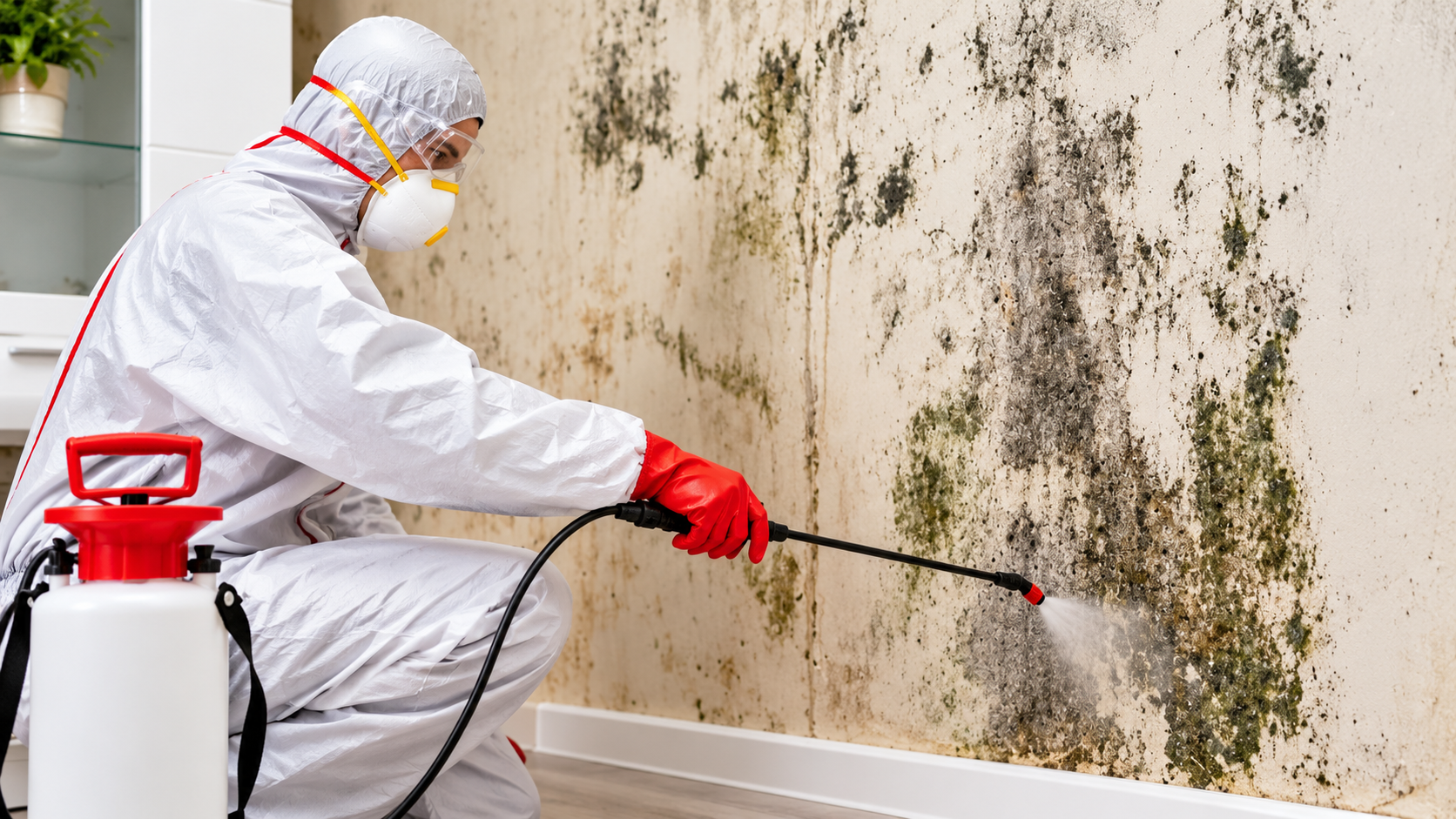
Mould removal Gold Coast cost depends on the size of the affected area, the extent of contamination, the condition of building materials and the work needed to address moisture problems. Two properties with similar-looking mould patches can require very different treatment scopes.
A small amount of mould on a cleanable bathroom surface may need relatively straightforward treatment. Mould associated with leaking pipes, water-damaged plasterboard or concealed moisture can involve additional inspection, remediation and drying.
Before accepting a quote, it helps to understand which services are included, whether moisture-related repairs are separate and what could affect the final price.
This guide explains seven factors that influence mould removal costs on the Gold Coast, what a professional inspection may involve and what homeowners, landlords and property managers should check before approving work.
How Much Does Mould Removal Cost on the Gold Coast?
There is no single price that accurately reflects every mould removal job.
The amount you pay depends on the condition of the affected property and the work required to manage the contamination.
For example, mould caused by condensation on a bathroom ceiling may require a different approach from mould developing behind plasterboard after a plumbing leak.
A professional quotation may consider:
- The size and number of affected areas.
- Whether mould is visible or suspected in concealed spaces.
- The condition of walls, ceilings, carpets and other materials.
- Moisture readings and inspection requirements.
- Cleaning, removal and remediation methods.
- Containment, equipment and drying needs.
- Accessibility and additional labour.
- Follow-up inspections or testing, where required.
The visible mould patch is not always a reliable indication of the total work involved. Hidden moisture, damaged materials or ongoing leaks can affect the recommended treatment.
Big Red Gold Coast offers a property inspection and quotation process to help assess the work required. Its published mould removal service describes inspection, moisture assessment, treatment and prevention recommendations.
For a property-specific quotation, the affected areas should be assessed rather than relying solely on the size of the visible mould.
7 Factors That Affect Your Mould Removal Quote
Several factors determine the scope and potential cost of professional mould removal. Understanding them can help you compare quotations and recognise when additional work may be necessary.
1. The Size of the Affected Area
The amount of mould-affected surface is one of the main considerations when preparing a quotation.
A small patch on a bathroom ceiling may require less labour and fewer materials than mould affecting several walls, bedrooms or shared areas.
Larger affected areas may also require more equipment and additional time.
However, visible size does not establish the full extent of the problem. A relatively small patch can be associated with moisture or contamination hidden behind building materials.
A professional assessment helps identify which areas require attention and whether further investigation is needed.
2. The Extent of Mould Growth and Contamination
The severity and location of mould contamination can influence the treatment required.
Limited surface growth on a suitable material may be addressed through cleaning and treatment. More extensive contamination can require specialised remediation procedures.
Factors that may increase the scope include:
- Mould affecting several rooms.
- Growth returning after previous cleaning.
- Contamination associated with prolonged water damage.
- Mould affecting porous building materials.
- Suspected growth inside walls or ceiling spaces.
These conditions can make treatment more involved than cleaning a visible patch.
The appropriate response depends on the affected materials, the extent of contamination and whether the moisture problem remains active.
3. Hidden Mould and Inspection Requirements
Mould can develop behind wall linings, beneath flooring, inside roof spaces and in other areas where moisture remains trapped.
Because these locations are difficult to inspect, additional investigation may be needed to establish the extent of contamination.
Possible warning signs include:
- A persistent musty smell.
- Damp patches without an obvious cause.
- Mould returning after cleaning.
- Previous water damage near the affected area.
An inspection may involve visual examination and moisture or humidity measurements to identify areas requiring closer attention.
Big Red Gold Coast describes using moisture and humidity meters during its inspection process, with sampling considered where appropriate.
Access to concealed areas and additional investigation can affect the total quotation.
4. The Source of the Moisture Problem
Mould requires moisture to grow. Identifying and addressing the source is essential to reducing the likelihood of recurrence.
Common contributing factors include:
- Leaking roofs or plumbing.
- Condensation on walls and ceilings.
- Poor bathroom or laundry ventilation.
- Water entering through damaged building elements.
- Flooding or previous water damage.
- High indoor humidity.
Removing visible mould without addressing an ongoing leak or persistent dampness may allow the problem to return.
Some moisture-related repairs may fall outside the mould removal service.
For example, plumbing, roofing, waterproofing or structural repairs may need to be arranged separately.
Before approving a quote, ask whether identifying the moisture source is included and who is responsible for any necessary repairs.
5. The Type and Condition of Affected Materials
Different building materials respond differently to moisture and mould contamination.
Suitable non-porous surfaces may be cleanable, depending on their condition. Porous materials can absorb moisture and retain contamination, making treatment more complex.
According to Queensland Health, porous items that cannot be easily cleaned and have remained wet for more than two days should be discarded following flooding. This includes materials such as carpets and ceiling insulation. For Gold Coast property owners, this is an important consideration when comparing mould removal quotations, as removing and replacing affected materials can add to the cost of treatment.
Affected materials may include:
- Plasterboard.
- Carpet.
- Insulation.
- Timber.
- Certain furnishings.
In some cases, materials that cannot be adequately remediated may need to be removed and replaced.
The cost of removal, disposal and replacement can affect the overall project.
A quotation should distinguish between mould treatment and any separate rebuilding or replacement work.
6. Accessibility and Containment Requirements
The location of the mould can influence the labour, equipment and precautions required.
An accessible wall may be easier to assess than contamination behind cabinetry, beneath flooring or inside a confined roof space.
More complex work may require access arrangements or additional precautions to control the spread of contaminated dust and debris.
Depending on the extent of contamination, the treatment scope may include isolating the affected area and using appropriate containment measures.
Ask whether these requirements are included in the quoted amount, particularly when mould is suspected in difficult-to-reach locations.
7. Equipment, Drying and Follow-Up Requirements
Some mould problems involve excess moisture that must be addressed as part of remediation.
Where suitable, specialised drying equipment such as air movers and dehumidifiers may be used.
Big Red Gold Coast also describes using antimicrobial treatments and specialised equipment during its mould remediation process.
Depending on the property, additional requirements may include:
- Moisture monitoring.
- Drying equipment.
- Further inspections.
- Sampling or testing where justified.
- Post-remediation assessment.
Not every property requires these measures.
However, where they form part of the recommended work, the quotation should explain their purpose and whether they are included in the price.
Mould Removal Cost Factors Compared
The following table summarises the main factors that can affect a mould removal quotation and the questions worth asking before proceeding.
| Cost factor | How it may affect the quotation | What to ask |
| Affected area | Larger areas may require more labour and materials | Which rooms and surfaces are included? |
| Hidden mould | Additional inspection or access work may be necessary | Have concealed areas been assessed? |
| Moisture source | Leaks or building defects may require separate repairs | Is moisture source identification included? |
| Material condition | Some materials may need removal or replacement | Can the affected material be cleaned? |
| Containment | Complex work may require additional precautions | What contamination controls are included? |
| Drying equipment | Drying and moisture monitoring may be needed | Is structural drying included? |
| Testing and follow-up | Further assessments may be recommended | Are testing and follow-up visits included? |
The table is a guide to understanding quotation scope, not a fixed pricing schedule.
The actual requirements depend on the property’s condition and the findings of an assessment.
What Happens During a Professional Mould Inspection?
A professional inspection helps establish where mould is present, whether moisture is affecting other areas and what treatment may be necessary.
Big Red Gold Coast describes an inspection and quotation process involving affected-area assessment, moisture investigation and recommended treatment options.
Initial Visual Assessment
The technician examines areas where mould is visible or suspected.
These may include bathrooms, kitchens, laundries, walls, ceilings and other moisture-affected spaces.
The inspection helps identify visible contamination and conditions that may require further investigation.
Moisture Investigation
Moisture readings can help identify damp materials and conditions contributing to mould growth.
Where concealed water damage is suspected, additional investigation may be recommended.
Identifying the likely moisture source also helps determine whether separate plumbing, roofing or building repairs are necessary.
Assessment of Affected Materials
The technician considers the condition of affected surfaces and whether they are suitable for cleaning.
Porous, damaged or heavily contaminated materials may require additional remediation or replacement.
Recommended Treatment Scope
Following the assessment, the proposed work should be explained.
A clear quotation should identify the affected areas, recommended methods, relevant precautions and any exclusions.
This allows the property owner or manager to understand what the quoted amount covers.
Additional Testing Where Appropriate
Air or surface sampling may be considered in particular circumstances.
However, routine mould testing is generally unnecessary where visible mould and dampness already establish the need for action.
Australian enHealth guidance recommends focusing on identifying and addressing moisture problems and removing mould, rather than relying on routine testing to determine health risk.
Any recommended sampling or clearance assessment should have a clear purpose, and its cost should be confirmed before approval.
Mould Removal vs Mould Remediation: How Does the Scope Affect Cost?
The terms mould removal and mould remediation are sometimes used interchangeably, but the work involved may differ.
Mould removal generally focuses on physically removing mould contamination from suitable surfaces or affected materials.
Mould remediation may involve a broader process that includes assessing contamination, controlling its spread, removing affected material, managing excess moisture and identifying conditions contributing to the problem.
For example, limited surface mould on a cleanable bathroom wall may require a relatively straightforward response.
Mould associated with water-damaged plasterboard or concealed contamination may require further investigation, containment, material removal and drying.
The broader the required scope, the more factors there may be to account for in the quotation.
The appropriate treatment should be based on the property’s condition, not simply the terminology used to describe the service.
Big Red Gold Coast provides mould removal and remediation services for affected properties.
For a more detailed explanation, see mould removal versus mould remediation.
Can Delaying Mould Removal Increase the Cost?
Delaying an inspection can allow an unresolved moisture problem to continue.
Where a leak remains active or building materials stay damp, mould growth and material deterioration may spread.
This can increase the amount of work needed to address the problem.
For example, moisture initially affecting one section of a wall may eventually involve nearby materials if the source is not repaired.
The extent and speed of deterioration vary between properties, so a larger problem is not inevitable.
However, recurring mould, unexplained dampness or a persistent musty smell should be investigated rather than repeatedly covered up or cleaned without addressing the cause.
Early assessment can help establish what needs attention before additional damage develops.
What to Check Before Accepting a Mould Removal Quote
A mould removal quotation should explain what work is included, which services may be charged separately and how unexpected findings will be handled.
This is particularly important where concealed contamination, damaged materials or moisture-related repairs are suspected.
Before approving the work, use the following checklist.
Mould removal quotation checklist
- Affected rooms, surfaces and materials are clearly identified.
- Inspection findings and suspected moisture sources are explained.
- Proposed removal and remediation methods are listed.
- Containment and safety precautions are included where required.
- Drying equipment and monitoring requirements are specified.
- Material disposal, replacement and repair exclusions are clear.
- Testing and post-remediation assessment costs are identified.
- The quoted amount, possible variations and payment terms are explained.
- Estimated work duration and property access requirements are outlined.
- Recommendations for reducing the risk of recurrence are provided.
Ask how the provider will manage unexpected findings, such as contaminated materials discovered behind a wall.
A clear written scope makes it easier to compare quotations based on the work proposed, rather than choosing between prices that may cover different services.
Mould Removal for Gold Coast Homeowners, Landlords and Property Managers
Different properties can involve different remediation requirements.
Building type, occupancy and maintenance responsibilities can influence how property owners and managers arrange mould removal and repairs.
Homeowners
Homeowners may notice mould in bathrooms, ceilings, wardrobes and areas with leaks or condensation.
A professional inspection can identify whether the property has minor surface mould or a more serious moisture problem.
Homeowners should review the proposed treatment and repair requirements, particularly if they suspect hidden damage or underlying building defects.
Landlords
Landlords should investigate mould promptly, especially when tenants report leaks, poor ventilation or recurring dampness.
In Queensland, tenancy responsibilities vary depending on the cause and circumstances of the mould problem.
Landlords should document tenant reports, organise professional assessments and determine the necessary treatment or repairs.
If building defects contribute to mould growth, landlords should address the underlying maintenance issues alongside the mould contamination.
Property and Strata Managers
Managed properties may require additional coordination where mould affects occupied premises, several rooms or shared building elements.
A written remediation scope can help with:
- Obtaining approvals.
- Arranging property access.
- Understanding the proposed work.
- Coordinating necessary repairs.
- Clarifying responsibility for costs.
Where mould involves common property, shared plumbing or building defects, responsibility should be established before work proceeds.
The Queensland Residential Tenancies Authority explains that responsibility for mould treatment and associated repairs depends on the cause. Property owners are generally responsible where mould results from building defects such as leaking roofs or pipes.
Frequently Asked Questions About Mould Removal Costs
Why Do Mould Removal Quotes Vary Between Properties?
Mould removal quotations vary because properties can have different affected areas, contamination levels, material conditions, access requirements and moisture problems.
A professional assessment helps determine the necessary treatment and identify any additional services.
Can I Get a Mould Removal Quote Without an Inspection?
You can contact a mould removal provider to discuss the problem and request an initial estimate.
An on-site inspection may help determine the extent of contamination and provide a more accurate quote, particularly if you suspect hidden mould or water damage.
Confirm any inspection fees before booking an appointment.
Does Mould Removal Include Fixing the Moisture Problem?
Mould remediation specialists may identify moisture problems and recommend repairs. Plumbing, roofing, waterproofing or structural repairs may require separate contractors.
Ask your provider to clarify the scope of work and confirm whether you need additional services.
Is Mould Testing Always Necessary?
Mould testing is not always necessary. A professional may recommend testing in specific circumstances based on the property’s condition and the purpose of the investigation.
Ask the provider to explain the need for testing and whether the quotation includes it.
No.
Australian enHealth guidance indicates that routine testing is generally unnecessary where visible mould already establishes the need for action.
Specialist assessment or mould sampling may help in certain situations, depending on the investigation’s purpose.
Ask the provider to explain why testing is necessary and confirm whether the quotation covers the cost.
Can Mould Return After Professional Treatment?
Yes. Mould can return if moisture problems persist or further water damage occurs.
Fixing leaks, improving ventilation and controlling moisture levels can help reduce the risk of mould returning.
Is Mould Removal Covered by Home Insurance?
Home insurance coverage varies according to the policy, cause of moisture damage, exclusions and individual claim circumstances.
Insurers may assess mould resulting from sudden water damage differently from mould caused by gradual leaks or ongoing maintenance issues.
Check your policy and speak with your insurer before authorising work connected to a claim.
Can I Remove Mould Myself to Reduce Costs?
Some small areas of surface mould may be manageable using suitable household cleaning methods and appropriate personal protection.
However, larger areas, recurring mould, concealed contamination or situations involving people with respiratory conditions require additional caution.
Queensland Health advises against dry brushing mould and recommends addressing water damage and moisture problems promptly.
Contact a qualified mould remediation professional if mould covers a large area, keeps returning or presents safety concerns.
Request a Mould Removal Quote on the Gold Coast
Persistent mould, ongoing dampness or suspected contamination behind walls and ceilings may require professional assessment to determine the extent of the problem.
A mould remediation specialist can inspect affected areas, investigate potential moisture sources and recommend suitable cleaning, remediation, drying or repair work.
Requesting a property-specific quote helps you understand the recommended treatment, scope of work and potential costs before proceeding.
Big Red Gold Coast provides mould inspection, treatment and remediation services for residential and commercial properties across the Gold Coast and Brisbane Southside.
For more information, explore Big Red’s professional mould removal services or Gold Coast mould removal solutions.
Request a Free Mould Removal Quote from Big Red Gold Coast
Or contact the team on 07 5539 6799 to discuss your property and arrange an assessment.