


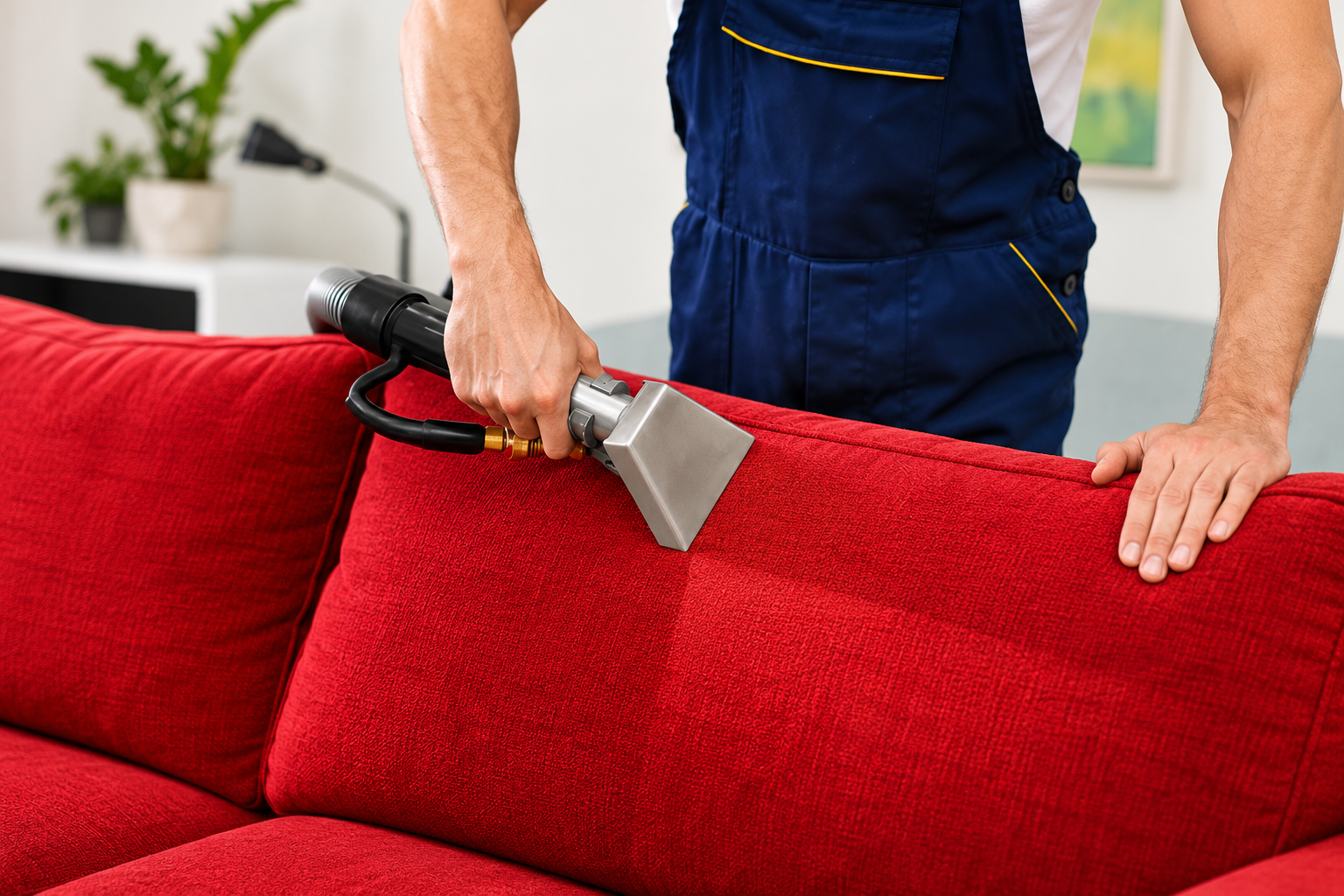
Upholstery cleaning Gold Coast services may be worth booking every 12 to 24 months as a general maintenance guide, although heavily used furniture can need attention sooner. The right timing depends on the fabric, frequency of use, visible soiling and the manufacturer’s care instructions.
Family lounges, dining chairs and office seating experience different levels of wear. Furniture exposed to pets, children or frequent spills may develop stains and odours sooner than occasional-use chairs.
Regular vacuuming and prompt spot cleaning help maintain upholstery between professional services. However, when dirt becomes embedded or suitable home cleaning no longer improves the fabric’s appearance, professional treatment may be worthwhile.
This guide explains suggested cleaning intervals, six warning signs to watch for and how to care for upholstered furniture between professional cleans.
How Often Should You Book Professional Upholstery Cleaning?
There is no fixed cleaning schedule that suits every sofa, lounge suite or upholstered chair.
Furniture used daily generally accumulates dirt and body oils faster than occasional seating. Fabric type, household activity, exposure to spills and the furniture’s condition also influence how often cleaning is worthwhile.
The following intervals are indicative maintenance planning ranges, not compulsory schedules or universal industry standards.
| Furniture type | Suggested cleaning interval | Main considerations |
| Everyday family lounges | Every 12–18 months | Body oils, dirt and frequent use |
| Furniture in homes with pets or children | Every 6–12 months | Pet hair, spills and recurring stains |
| Occasional-use chairs | Every 18–24 months | Lower levels of regular contact |
| Fabric dining chairs | Every 6–12 months | Food spills and grease |
| Office and reception seating | Every 6–12 months | Frequent use by different people |
| Holiday accommodation furniture | Based on condition and occupancy | Guest turnover, staining and presentation |
These ranges are starting points only. Furniture may need cleaning earlier when persistent staining or odours develop, while lightly used items can sometimes be maintained for longer with suitable home care.
Always consider the manufacturer’s instructions and whether the fabric is suitable for the proposed treatment.
The condition of the upholstery matters more than the calendar.
6 Signs It’s Time for Professional Upholstery Cleaning
Furniture does not need to look heavily soiled before cleaning becomes worth considering.
Some problems develop gradually, particularly in areas that receive frequent contact. Others become obvious after spills or when routine maintenance stops producing satisfactory results.
1. Visible Stains and Fabric Discolouration
Armrests, headrests and seat cushions can become darker through repeated contact with skin, clothing and everyday dirt.
Common signs include:
- Darkened armrests or headrests.
- Uneven fabric colour.
- Food or drink stains that remain after spot cleaning.
- Dirt gathering along seams and cushion edges.
Start with the manufacturer’s recommended care method rather than applying stronger chemicals or scrubbing repeatedly.
If suitable household cleaning does not remove the marks, a professional fabric assessment can help determine whether deeper treatment is appropriate.
Some discolouration is permanent, so complete stain removal cannot be guaranteed.
2. Persistent Furniture Odours
Upholstered furniture can absorb odours from pets, food, perspiration and everyday use.
If the smell remains after vacuuming and airing the room, the source may be within the fabric or cushioning rather than on the surface.
Professional cleaning can help reduce odours associated with removable dirt and residues.
However, a persistent musty smell may indicate trapped moisture. This should be investigated before wet cleaning, particularly if the furniture has been exposed to leaks or prolonged dampness.
3. Dust That Returns Quickly
Vacuuming removes loose dust and debris, but particles can remain in textured fabrics, seams and cushion edges.
Furniture that looks dull or dusty shortly after appropriate vacuuming may have accumulated dirt that routine maintenance is not reaching.
Professional cleaning may improve the appearance of suitable fabrics by addressing embedded grime.
Continue regular vacuuming between services to reduce new buildup.
4. Pet Hair and Recurring Stains
Pets can leave hair, outdoor dirt and occasional stains on sofas and upholstered chairs.
Some debris becomes trapped in textured fabrics or difficult-to-reach areas around cushions and seams.
A suitable vacuum attachment and washable furniture covers can help with everyday maintenance.
If pet-related stains or odours remain, professional treatment may be appropriate.
Urine that has penetrated internal cushioning can be particularly difficult to remove completely. Ask for an assessment before assuming the furniture can be restored.
5. Fabric Feels Greasy or Uncomfortable
Frequently used seating can accumulate body oils, perspiration and other residues.
Over time, these substances may leave some fabrics feeling greasy, unusually stiff or less comfortable.
Before applying household products, check the fabric’s care instructions.
A technician can assess whether suitable cleaning may improve the surface without affecting its texture, colour or finish.
6. Routine Cleaning No Longer Improves Appearance
If vacuuming and appropriate spot cleaning no longer make a noticeable difference, dirt may have accumulated beyond what household methods can remove.
Repeated scrubbing is not always the solution. Abrasive tools, unsuitable chemicals and excessive moisture can damage fibres, dyes and finishes.
Professional assessment can help determine whether deeper cleaning is worthwhile or whether the appearance is affected by permanent wear.
How Fabric Type Affects Upholstery Cleaning
Different upholstery materials require different care.
The cleaning method must suit the fabric, dyes, backing materials and furniture construction. An unsuitable treatment can cause shrinkage, colour changes, water marks or changes in texture.
Cotton and Linen Upholstery
Cotton and linen are natural fibres commonly used in sofas, lounge chairs and decorative furniture.
Some fabrics containing these fibres are sensitive to moisture, particularly where dyes, finishes or backing materials are involved.
Gentle vacuuming, prompt blotting of spills and manufacturer-approved care can help maintain their appearance.
Where staining persists, professional assessment is advisable before applying moisture-based treatment.
Polyester and Synthetic Upholstery
Polyester and other synthetic fabrics are common in family furniture.
Many offer good durability, but they can still accumulate body oils, dust and stains.
Regular vacuuming helps remove loose debris, while professional cleaning may be useful when the material becomes heavily soiled.
The cleaning method should reflect the fabric’s construction, finishes and care label rather than fibre type alone.
Velvet and Delicate Fabrics
Velvet requires particular care because its pile can be affected by moisture, pressure and aggressive brushing.
Incorrect cleaning may cause lasting changes to its texture or appearance.
Delicate upholstery should be professionally assessed before wet cleaning or stain-removal products are applied.
Microfibre Upholstery
Microfibre can be relatively easy to maintain, depending on the material and construction.
However, some microfibre fabrics permit water-based cleaning while others require solvent-based methods.
Check the cleaning code and manufacturer’s instructions before treating stains.
Wool and Wool-Blend Upholstery
Wool upholstery can be sensitive to heat, excessive moisture and unsuitable chemicals.
Incorrect cleaning may affect colour, texture or shape.
A fabric assessment is especially important for valuable wool furniture and delicate blends.
What Do Upholstery Cleaning Codes Mean?
Some manufacturers provide upholstery cleaning codes that indicate which methods may be suitable.
W – Water-based cleaning: Manufacturer-approved water-based methods may be permitted.
S – Solvent-based cleaning: A specified solvent-based method is required. Avoid unapproved water-based treatments.
W/S or S/W – Water- or solvent-based cleaning: Either type may be permitted, subject to the manufacturer’s instructions and material condition.
X – Vacuum or light brushing only: Avoid wet cleaning or solvent-based treatment unless the manufacturer provides further approval.
These codes are useful starting points, but they do not override other material restrictions.
Fabric finishes, dyes, backing materials and previous treatments can affect cleaning suitability.
If the care label is missing or unclear, seek professional advice before using cleaning chemicals.
How Does Professional Upholstery Cleaning Work?
Professional upholstery cleaning begins with identifying the fabric and choosing a suitable treatment.
Big Red Gold Coast provides professional upholstery cleaning for sofas, lounge suites, upholstered chairs, office furniture and commercial seating.
Its published service information describes fabric assessment, stain treatment, specialised equipment and fabric protection options.
A typical appointment may involve five stages.
1. Fabric Inspection
The technician checks the upholstery material, visible condition, stains and available care instructions.
This helps identify cleaning restrictions and decide whether the furniture is suitable for treatment.
2. Surface Preparation
Loose dust, hair and other debris may be removed before deeper cleaning.
Attention may be given to cushion seams, armrests, headrests and frequently used seating areas.
3. Stain Treatment
Suitable products may be applied to specific stains according to the fabric and type of contamination.
Older stains, permanent discolouration and previous chemical damage may limit the results.
The technician should explain these limitations where relevant.
4. Fabric-Appropriate Cleaning
The cleaning method is selected according to the upholstery material, its construction and condition.
Big Red Gold Coast advertises professional equipment, including truck-mounted cleaning systems, for its upholstery services.
However, not every fabric is suitable for extraction or moisture-based cleaning.
Some materials may require specialised or low-moisture approaches, while others may be unsuitable for particular treatments.
5. Drying and Aftercare
Where moisture-based cleaning is appropriate, the upholstery must dry adequately before normal use.
Drying time depends on fabric type, internal cushioning, ventilation, humidity and the amount of moisture introduced.
Follow the technician’s instructions before sitting on the furniture or replacing removable covers and cushions.
Upholstery Cleaning for Gold Coast Homes and Businesses
Furniture cleaning needs vary according to the property, how the furniture is used and how often it receives contact.
Family Homes
Family lounges and dining chairs can experience frequent contact, food spills and accumulated body oils.
Regular vacuuming and prompt cleaning of fresh spills help manage everyday soiling.
Where stains or odours persist, professional treatment may be worth considering.
Coastal Homes and Apartments
Gold Coast coastal properties may experience additional sand and outdoor debris being carried indoors.
Loose grit can accumulate in upholstery seams and textured fabrics.
Suitable vacuuming and entrance mats can help reduce the amount of debris reaching upholstered furniture.
Commercial Offices
Office chairs, reception seating and shared furniture may receive frequent use throughout the working week.
Commercial property managers can plan cleaning around visible soiling, occupancy and presentation requirements.
Fabric compatibility and drying time should also be considered when arranging work in occupied premises.
Holiday Accommodation
Furniture in holiday accommodation can experience changing levels of use and frequent guest turnover.
Condition checks between bookings can help identify stains, odours and fabric deterioration.
Big Red Gold Coast lists scheduled cleaning and motel or hotel upholstery cleaning among its advertised services.
Where professional cleaning is needed, allow for the required drying time before guests use the furniture again.
How to Keep Upholstery Cleaner Between Services
Regular maintenance can help reduce accumulated dirt and keep suitable furniture in good condition.
The National Asthma Council Australia recommends vacuuming carpets and soft furnishings once a week, preferably with a HEPA-filter vacuum cleaner, to help reduce exposure to house dust mite allergens. For upholstered furniture, pay attention to seat cushions, armrests and fabric seams where dust and debris can accumulate. Always use an attachment suitable for the material and follow the manufacturer’s care instructions.
- Vacuum regularly. Use an appropriate upholstery attachment to remove loose dust, crumbs and pet hair.
- Blot spills promptly. Follow the manufacturer’s instructions and avoid rubbing stains into the fabric.
- Avoid excessive moisture. Overwetting can affect upholstery, backing materials and internal cushioning.
- Limit direct sunlight. Prolonged exposure may fade some upholstery dyes and finishes.
- Rotate removable cushions. Where the furniture design permits, distribute wear more evenly.
- Use suitable cleaning products. Avoid harsh or unapproved chemicals.
- Check care labels. Confirm the recommended cleaning method before applying any treatment.
- Investigate persistent odours. Musty smells may indicate moisture that requires attention before cleaning.
Fabric protection may also be considered for suitable upholstery, where offered.
However, protective treatments do not prevent every stain or replace regular maintenance.
Should You Schedule Carpet and Upholstery Cleaning Together?
Carpets and upholstered furniture both collect dirt through everyday use.
If several fabric surfaces need attention, reviewing them at the same time may simplify your maintenance planning.
Big Red Gold Coast offers professional carpet cleaning alongside upholstery cleaning.
Ask whether both services can be scheduled during one visit and whether the proposed cleaning methods are compatible with your materials.
Drying requirements should be considered separately for carpets and furniture.
Frequently Asked Questions About Upholstery Cleaning
How Often Should a Fabric Sofa Be Professionally Cleaned?
An interval of approximately 12 to 24 months may be useful as a general maintenance planning guide for suitable furniture.
However, frequently used sofas may need attention sooner, particularly when stains, odours or accumulated dirt develop.
The manufacturer’s instructions and actual fabric condition should determine whether treatment is appropriate.
Should Upholstery Be Cleaned More Often if You Have Pets?
Furniture used regularly by pets may need more frequent maintenance.
Pet hair, outdoor dirt and recurring stains can accumulate faster, particularly on frequently used seating.
Suitable vacuuming, washable covers and prompt treatment of accidents can help reduce buildup between professional services.
Can Professional Upholstery Cleaning Remove Odours?
Professional cleaning may reduce some odours associated with removable dirt or residues.
Results depend on the source, fabric construction and whether contamination has penetrated internal cushioning.
Persistent musty odours should be investigated for moisture before wet cleaning.
Can All Upholstery Fabrics Be Professionally Cleaned?
Many upholstery materials can be professionally cleaned, but not every cleaning method suits every fabric.
Some materials require specialist approaches or have manufacturer restrictions.
A technician should check fabric compatibility before treatment.
How Long Does Upholstery Take to Dry?
Drying time depends on the material, cleaning method, furniture construction, humidity and ventilation.
Ask the technician for drying instructions before booking and avoid using the furniture until it is adequately dry.
Can Professional Cleaning Remove Old Stains?
Some older stains respond to specialist treatment.
However, permanent discolouration, previous chemical damage or fabric deterioration may limit the results.
A professional assessment can help establish realistic expectations.
Is Professional Upholstery Cleaning Suitable for Commercial Furniture?
Many commercial seating materials can be professionally cleaned, subject to their condition and manufacturer requirements.
Cleaning frequency should reflect usage, visible soiling and operational needs.
For shared or regularly occupied spaces, arrange cleaning with sufficient time for treatment and drying.
Book Professional Upholstery Cleaning on the Gold Coast
If your lounge has darkened armrests, stubborn stains, persistent odours or fabric that no longer responds to ordinary cleaning, it may be time for professional advice.
The most suitable treatment depends on the upholstery material, furniture condition and source of the problem.
Big Red Gold Coast provides upholstery cleaning services for homes, offices, accommodation properties and commercial furniture across the Gold Coast and Brisbane Southside.
When requesting a quote, describe the type of furniture, the fabric if known, any stains or odours and the cleaning methods you have already tried. This helps the team understand your requirements and discuss suitable options.
Explore Big Red’s upholstery cleaning services and its wider cleaning service directory.
Request an Upholstery Cleaning Quote from Big Red Gold Coast
Contact the team to discuss your furniture and confirm available cleaning options.