

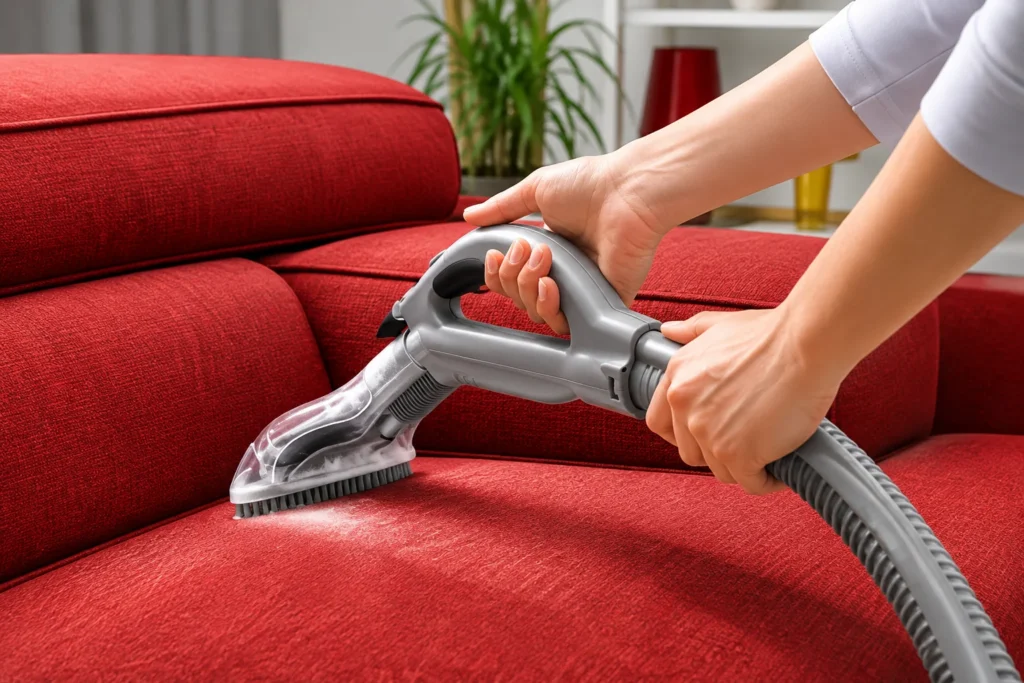
Fabric upholstery cleaning Gold Coast services help homeowners care for sofas, dining chairs, recliners and other upholstered furniture affected by everyday dirt, stains and body oils. The appropriate cleaning method depends on the material, its construction, condition and any care instructions supplied by the manufacturer.
Cotton, linen, polyester, microfibre and velvet can respond differently to moisture, cleaning products and agitation. Using an unsuitable method may cause watermarks, colour changes, shrinkage or damage to the fabric surface, particularly on delicate or heavily soiled furniture.
Big Red Gold Coast provides professional upholstery cleaning for residential and commercial furniture across the Gold Coast and Brisbane Southside. Its service includes assessing the upholstery material and condition before selecting a suitable cleaning approach.
Why Do Upholstery Fabrics Need Different Cleaning Methods?
Upholstery fabrics differ in fibre composition, weave, dye stability, finishes and their response to moisture.
A cleaning method suitable for a durable synthetic sofa may not be appropriate for a delicate linen chair or velvet lounge. Even furniture made from the same type of fibre can have different cleaning requirements.
The outer fabric is also only part of the furniture. Backing materials, cushioning, adhesives and decorative finishes can affect how an item responds to cleaning products and equipment.
For these reasons, professional upholstery cleaning involves more than identifying whether the fabric is cotton, polyester or another material.
Australia’s national training unit for fabric upholstery cleaning, CPPCLO3109 Clean fabric upholstery, identifies fibre classification, backing materials, furniture construction and colour stability as relevant assessment considerations.
These details help explain why a technician may need to examine the furniture before recommending treatment.
Understanding Upholstery Care Labels
Before cleaning fabric furniture, check whether the manufacturer has provided care instructions.
Care information may appear beneath the furniture, on an attached label, under a removable cushion or in the original product documentation.
The Australian Competition and Consumer Commission’s care-labelling guidance explains that Australia’s mandatory care-labelling standard covers upholstered furniture as well as other textile products. Certain items, including second-hand goods, are exempt.
Instructions may use written directions or recognised care symbols. The information should be read alongside any furniture-specific restrictions supplied by the manufacturer.
Some upholstery also carries cleaning codes, but these should not be treated as universal instructions for every fabric or piece of furniture.
If the label is missing, unclear or inconsistent with the furniture’s condition, seek professional advice before applying cleaning chemicals or using a household extraction machine.
Common Upholstery Fabrics and Their Cleaning Considerations
Different upholstery materials have different characteristics that influence how they should be maintained.
The following descriptions are general guidance. The actual furniture, its construction and manufacturer instructions must determine whether professional cleaning is suitable.
Cotton Upholstery
Cotton is used in sofas, upholstered chairs and other household furniture.
Its cleaning requirements depend on the fabric’s weave, dyes, backing and finishes. Some cotton upholstery may be susceptible to shrinkage, watermarks or colour transfer if unsuitable products or excessive moisture are used.
A cotton-covered sofa should not automatically be cleaned in the same way as cotton clothing.
Regular vacuuming can help remove loose debris. Where stains are extensive or the manufacturer’s instructions are uncertain, a professional assessment can help determine whether further treatment is appropriate.
Linen Upholstery
Linen is commonly chosen for its natural texture and appearance.
Some linen upholstery can be sensitive to moisture, agitation and particular cleaning chemicals. Inappropriate treatment may leave watermarks, affect the fabric finish or change its appearance.
Heavy rubbing can also damage or distort the surface.
For linen furniture, check the care instructions before attempting stain removal. Valuable or heavily soiled items are better assessed before any deep cleaning is attempted.
Polyester Upholstery
Polyester is widely used in household and commercial seating.
Many polyester fabrics are relatively durable, but this does not mean they can all be cleaned with the same equipment or chemicals.
Oily residues and body oils may be difficult to remove from some polyester upholstery. The fabric’s weave, finishes and construction can also influence cleaning results.
Regular vacuuming helps manage loose debris, while professional treatment may be appropriate when suitable household cleaning no longer improves the appearance.
Microfibre Upholstery
Microfibre furniture can be practical for everyday use, although cleaning requirements vary according to the fibre composition and construction.
Some microfibre fabrics permit particular water-based treatments, while others require different methods.
Using excessive moisture or an unsuitable product may leave marks or change the fabric’s appearance.
Before attempting spot cleaning, check the manufacturer’s instructions and use only an approved method. If the label is missing, professional assessment is preferable to experimenting with household products.
Velvet Upholstery
Velvet requires particular care because its pile contributes to the fabric’s texture and appearance.
Excessive pressure, aggressive brushing or unsuitable moisture can crush or distort the pile, sometimes leaving permanent changes.
Velvet can be made from different fibres, so its cleaning requirements cannot be determined from appearance alone.
Professional assessment is particularly worthwhile for valuable or delicate velvet furniture, especially when a stain has already been treated unsuccessfully.
Blended Upholstery Fabrics
Many modern upholstery fabrics combine natural and synthetic fibres.
A cotton-polyester blend, for example, may respond differently to cleaning from furniture made entirely from cotton or polyester.
The proportions of the fibres, fabric finish, backing and furniture construction all influence cleaning suitability.
Where the composition is unknown, a cautious approach is important. The manufacturer’s instructions and the condition of the upholstery should guide treatment.
Upholstery Materials at a Glance
The table below summarises common fabric-care considerations. It is intended to help identify possible cleaning concerns, not prescribe a cleaning method.
| Fabric type | Main cleaning consideration | When assessment may help |
| Cotton | Shrinkage and dye stability | Persistent staining or uncertain care instructions |
| Linen | Moisture sensitivity and watermarks | Delicate finishes or widespread soiling |
| Polyester | Oily stains and fabric construction | Embedded dirt or difficult residues |
| Microfibre | Compatibility with cleaning products | Missing labels or unsuccessful spot cleaning |
| Velvet | Pile distortion and surface changes | Delicate or valuable furniture |
| Blended fabrics | Combined fibre and finish characteristics | Unknown composition or cleaning restrictions |
The same fabric category can include furniture with very different cleaning requirements. Product labels and an assessment of the actual item remain important.
6 Signs Your Fabric Furniture May Need Professional Cleaning
Routine maintenance can help keep upholstery in good condition, but some problems require more careful treatment.
These signs can help homeowners decide when professional advice is worthwhile.
1. Stains Remain After Appropriate Spot Cleaning
Food, drinks and other accidental spills can leave visible marks after the fabric has dried.
If an approved cleaning method has not removed the stain, repeated scrubbing or stronger household products may make the problem worse.
A technician can assess the stain and fabric before deciding whether further treatment is suitable.
Some stains cause permanent discolouration, so complete removal cannot be guaranteed.
2. The Fabric Looks Dull or Uneven
Frequently used upholstery can accumulate dust, body oils and general soiling.
Armrests, headrests and seat cushions may become darker than less frequently used areas.
Professional cleaning may improve suitable accumulated soiling. However, fading, permanent dye changes and worn fabric cannot necessarily be restored through cleaning.
3. Furniture Develops Persistent Odours
Upholstered furniture can absorb odours associated with food spills, pets, smoke residues and other contamination.
The source and depth of the odour influence whether cleaning is likely to help.
Odours associated with removable residues may respond to suitable treatment, while contamination that has penetrated internal cushioning can be more difficult to address.
A persistent musty smell may also indicate moisture that should be investigated before wet cleaning.
4. Furniture Receives Heavy Daily Use
Family lounges, dining chairs and office seating may accumulate soiling more quickly than furniture used only occasionally.
Body oils and dirt can build up gradually, particularly along cushion edges and areas that receive frequent contact.
Regular maintenance is useful, but professional assessment may be worthwhile when the fabric becomes heavily soiled.
For advice about cleaning intervals, see Big Red’s guide to how often upholstery should be professionally cleaned.
5. Pet Hair and Soiling Become Difficult to Manage
Pet hair and loose debris can often be removed with suitable vacuum attachments and upholstery tools.
However, recurring stains or odours associated with pet accidents may require additional treatment.
Avoid soaking the furniture in an attempt to remove odours. Excessive moisture can penetrate internal padding and create further problems.
If contamination has reached the cushioning, professional cleaning may have limitations that should be discussed before treatment.
6. The Fabric Has Unclear Cleaning Instructions
Older furniture, second-hand pieces and items without accessible care information may require a more cautious approach.
The absence of instructions makes it harder to determine whether particular products or cleaning methods are suitable.
A professional assessment can help identify potential risks before deep cleaning, particularly where the furniture is delicate or valuable.
Can You Clean Fabric Upholstery Yourself?
Routine maintenance is suitable for many upholstery fabrics.
Vacuuming with an appropriate attachment can remove loose dust, hair and debris. Fresh spills should generally be blotted carefully, with further treatment guided by the manufacturer’s instructions.
Avoid aggressive scrubbing, mixing cleaning products or applying excessive water.
Household carpet cleaning equipment may not be suitable for upholstery because furniture fabrics and internal materials can respond differently to moisture and cleaning solutions.
Before using any product, check the manufacturer’s recommendations. If the fabric is delicate, heavily stained or has already responded poorly to cleaning, professional advice may prevent additional damage.
How Does Big Red Assess Upholstered Furniture?
Professional upholstery cleaning begins with understanding the furniture and identifying a suitable treatment.
Big Red Gold Coast provides cleaning services for sofas, lounge suites, upholstered chairs, office furniture and commercial seating.
Its published service information describes fabric assessment, stain treatment and the use of professional upholstery cleaning equipment.
Fabric and Condition Assessment
The technician considers the furniture’s material, visible condition and areas requiring attention.
Relevant factors include existing stains, accumulated dirt, wear, moisture sensitivity and any available manufacturer instructions.
The furniture’s construction also matters, particularly where backing materials or internal padding may be affected by cleaning.
Selecting a Suitable Cleaning Method
Once the material and condition have been assessed, the technician can consider which cleaning process is appropriate.
Big Red advertises professional upholstery cleaning equipment, including truck-mounted systems.
However, the availability of powerful equipment does not mean every fabric is suitable for moisture-based extraction.
The cleaning method must reflect the actual upholstery and its care restrictions.
Stain and Odour Treatment
Some stains and odours may respond to specialised cleaning products, depending on their cause and the material affected.
Older stains, permanent discolouration or previous chemical damage can limit the results.
The purpose of the assessment is to select an appropriate method and establish realistic expectations before treatment.
Drying and Aftercare
Where a moisture-based method is used, the upholstery must be allowed to dry adequately before normal use.
Drying requirements depend on the material, furniture construction, ventilation, humidity and treatment performed.
Follow the technician’s advice before using the furniture or replacing removable covers and cushions.
Professional Upholstery Cleaning vs Replacement
Professional cleaning may be worthwhile when the furniture remains in good structural condition and the main concern is treatable soiling or staining.
However, cleaning does not repair broken frames, severely worn padding or substantial fabric damage.
Permanent fading, dye changes and deterioration of delicate materials may also remain after treatment.
Before investing in cleaning, consider the item’s condition, value and whether the expected result justifies the work.
A professional assessment can help determine whether treatment is suitable or whether replacement or reupholstering may be more practical.
How to Maintain Fabric Furniture Between Cleans
Regular care can help manage loose debris and reduce the amount of dirt accumulating in upholstered furniture.
Vacuum Regularly
Use a suitable upholstery attachment to remove loose dust, hair and crumbs.
Pay particular attention to cushion seams, armrests and frequently used seating areas. Avoid aggressive brushes on delicate fabrics.
Follow Fabric Care Instructions
Keep the manufacturer’s care information available and follow any product restrictions.
Check the instructions before applying cleaning agents, particularly to fabrics that may be sensitive to moisture or colour transfer.
Manage Spills Promptly
Blot fresh spills with a clean, absorbent cloth without rubbing the fabric.
Avoid saturating the upholstery or using unapproved products. If the stain remains, seek advice rather than repeatedly applying stronger treatments.
Protect Furniture From Unnecessary Moisture
Keep upholstered items away from avoidable dampness and investigate leaks or persistent condensation nearby.
Moisture can affect both the outer fabric and internal cushioning, making drying and cleaning more complicated.
Consider Fabric Protection
Some upholstered furniture may be suitable for an additional fabric protection treatment.
Big Red Gold Coast offers fabric protection services for suitable residential and commercial upholstery.
These treatments may help reduce the absorption of some spills and make routine maintenance easier, but they do not make furniture stain-proof or eliminate the need for cleaning.
Suitability should be confirmed for the fabric and treatment product concerned.
When Should You Book Professional Upholstery Cleaning?
Professional advice may be worthwhile when routine vacuuming and appropriate spot cleaning no longer address visible soiling, stains or odours.
Furniture made from delicate materials, items without clear care instructions and pieces with widespread contamination may particularly benefit from an assessment before further cleaning.
There is no universal cleaning schedule suitable for every upholstered item. Use, fabric characteristics and the furniture’s condition should guide the decision.
If you are unsure whether your furniture can be treated, describe the material and the problem when requesting advice.
Book Fabric Upholstery Cleaning on the Gold Coast
Stained or heavily soiled fabric furniture may benefit from professional cleaning, provided the material and its condition are suitable for treatment.
Big Red Gold Coast provides professional upholstery cleaning services for residential and commercial furniture across the Gold Coast and Brisbane Southside.
When requesting a quote, provide the type of furniture, approximate number of seats and fabric information if available. Describe any stains, odours, previous cleaning attempts or areas of visible wear.
Photographs of the furniture and its care label may also help the team understand your enquiry and advise what information is needed before treatment.
Contact Big Red Gold Coast to discuss your furniture, ask about suitable cleaning options and request a quote.
Frequently Asked Questions
Can All Upholstery Fabrics Be Professionally Cleaned?
Many upholstery fabrics can be professionally cleaned, but not every material is suitable for every method.
Some require specialist treatment or have manufacturer restrictions. The furniture should be assessed before an appropriate cleaning method is selected.
Can Steam Cleaning Damage Upholstery?
Yes. Some fabrics and furniture constructions can be damaged by unsuitable heat, moisture or cleaning products.
A method commonly described as steam cleaning may not be appropriate for delicate upholstery. Follow the manufacturer’s instructions and seek professional advice where suitability is uncertain.
Can Professional Cleaning Remove Old Stains?
Some older stains respond to professional treatment, but others may have caused permanent discolouration or fabric damage.
Results depend on the stain, material and previous cleaning attempts.
How Often Should a Fabric Sofa Be Cleaned?
Cleaning frequency depends on use, visible soiling, fabric characteristics and manufacturer instructions.
A heavily used family sofa may require attention sooner than an occasional chair. The furniture’s condition is more important than following a fixed schedule.
Should Upholstery Be Completely Dry Before Use?
Yes. Follow the provider’s aftercare instructions and allow the furniture to dry adequately before normal use.
Drying time varies according to the material, cleaning method, internal cushioning and surrounding conditions.