

- April 18, 2026
- Mould Removal
Mould Removal In Gold Coast: Signs You Need Immediate Professional Help
Mould Removal In Gold Coast: Signs You Need Immediate Professional Help
Mould removal in Gold Coast homes has become an increasingly critical concern for homeowners, particularly with the region’s humid subtropical climate creating perfect breeding conditions for mould growth. With the Gold Coast’s year-round high humidity levels often exceeding 70% and frequent rainfall patterns, properties throughout the region face constant risk of mould contamination. Understanding when to call for professional help isn’t just about property damage—it’s about protecting your family’s health and preventing costly structural repairs that can reach thousands of dollars.
In this comprehensive guide, we’ll explore the unmistakable warning signs that indicate you need immediate professional mould removal services. Mould removal in Gold Coast is essential when early signs are detected, as delayed action can significantly worsen the situation. We’ll help you understand the risks of delayed action and provide expert insights into when DIY solutions simply won’t suffice. Whether you’re dealing with visible mould colonies or suspect hidden contamination, recognising these critical signs can save you from extensive property damage and serious health complications.
Understanding Gold Coast’s unique mould challenges
The Gold Coast’s coastal location creates a perfect storm for mould development. The combination of high humidity, ocean moisture, and frequent storm activity means that properties in areas from Surfers Paradise to Burleigh Heads face year-round mould risks. Unlike drier climates where mould might be seasonal, Gold Coast homes must contend with persistent moisture conditions.
Big Red Gold Coast has observed that most severe mould cases occur following the region’s wet season, typically between December and March, when humidity levels remain consistently above 80%. However, modern homes with poor ventilation can develop mould issues even during traditionally drier months.
The most common mould species found in Gold Coast properties include Aspergillus niger (black mould), Penicillium (blue-green mould), and Cladosporium. Each presents unique health risks and requires specific removal approaches that only trained professionals can properly execute.
Visible mould growth patterns requiring immediate attention
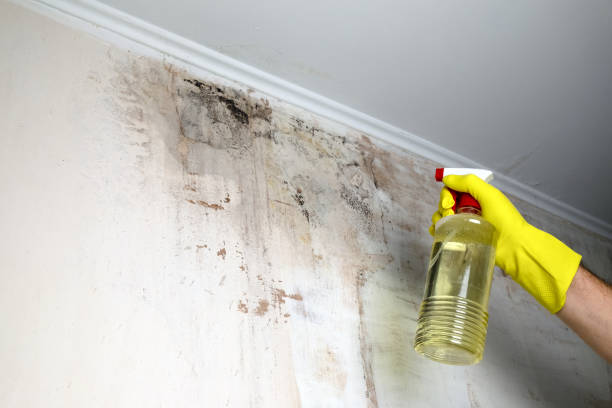
When mould colonies become visible, you’re already dealing with an established contamination that requires professional intervention. Any mould growth larger than 10 square feet should never be tackled with DIY methods, as disturbing large colonies can release dangerous spore concentrations into your home’s air system.
Look for these critical visual indicators:
Big Red Gold Coast emphasises that visible mould represents only a fraction of the actual contamination. Professional assessment can reveal hidden growth behind walls, under flooring, or in HVAC systems that invisible to homeowners but pose significant health risks.
Health symptoms indicating mould contamination
Your family’s health symptoms often provide the first warning signs of mould contamination, sometimes appearing weeks before visible growth becomes apparent. Professional mould removal becomes essential when household members experience persistent symptoms that improve when away from the property.
Critical health indicators include:
Children, elderly family members, and individuals with compromised immune systems face heightened risks. If multiple household members develop similar symptoms simultaneously, immediate professional mould assessment becomes crucial for preventing long-term health complications.
Structural damage indicators
Mould doesn’t just affect surfaces—it actively degrades building materials, compromising your property’s structural integrity. Professional intervention becomes non-negotiable when you notice these structural warning signs:
| Damage Type | Visual Signs | Risk Level | Timeframe for Action |
|---|---|---|---|
| Wood Rot | Soft, spongy timber; visible decay | High | Immediate |
| Paint Deterioration | Peeling, bubbling, discolouration | Medium | Within 1 week |
| Wallpaper Issues | Warping, peeling edges, staining | Medium | Within 1 week |
| Ceiling Damage | Sagging, water stains, cracks | Critical | Immediate |
Structural damage often indicates extensive mould colonisation behind visible surfaces.Attempting DIY removal on structurally compromised materials can release massive spore concentrations and worsen contamination throughout your property.
Persistent musty odours and air quality issues
The distinctive musty odour associated with mould contamination results from volatile organic compounds (VOCs) released during mould growth and decomposition. These odours indicate active mould colonies producing harmful chemicals that affect indoor air quality.
Professional mould removal becomes essential when you notice:
Big Red Gold Coast’s experience shows that odour-based contamination often extends beyond immediately visible areas, requiring professional-grade detection equipment and specialised removal techniques to fully address the source.
Water damage and moisture intrusion events
Any significant water intrusion event creates immediate risk for mould development, particularly in Gold Coast’s humid climate where moisture doesn’t evaporate quickly. Professional mould prevention becomes crucial following these scenarios:
Immediate risk situations:
Mould can begin developing within 24-48 hours of water exposure. Even if initial drying efforts seem successful, hidden moisture in wall cavities, under flooring, or in insulation can create ongoing mould growth that only professional assessment can identify and address.
HVAC system contamination signs
Your home’s heating, ventilation, and air conditioning system can become a distribution network for mould spores, spreading contamination throughout your entire property. Professional intervention becomes essential when HVAC-related mould signs appear:
HVAC mould contamination requires specialised cleaning procedures and often complete ductwork sanitisation. DIY attempts can worsen contamination by disturbing established colonies and spreading spores throughout your property’s air circulation system.
When DIY methods have failed
Many Gold Coast homeowners attempt initial mould removal using household products or over-the-counter solutions. However, certain situations indicate that professional intervention has become unavoidable:
Signs DIY approaches are insufficient:
Professional mould removal services use industrial-grade equipment, specialised containment procedures, and targeted treatment solutions that address both visible growth and underlying moisture sources. Big Red Gold Coast’s approach includes comprehensive moisture source identification, ensuring that mould removal provides lasting results rather than temporary cosmetic improvements.
Conclusion
Recognising when mould contamination requires professional intervention can save Gold Coast homeowners from extensive property damage and serious health complications. Key warning signs include visible growth exceeding 10 square feet, persistent health symptoms among household members, structural damage indicators, ongoing musty odours, water intrusion events, HVAC system contamination, and failed DIY removal attempts.
Don’t risk your family’s health or property value by delaying professional mould removal when these warning signs appear. Big Red Gold Coast provides comprehensive mould assessment and removal services throughout the Gold Coast region, using industry-leading techniques and equipment to ensure complete contamination elimination. Contact us today for expert mould removal services that protect your property and family’s wellbeing.
Frequently asked questions
What size mould growth requires professional removal?
Any mould growth larger than 10 square feet requires professional removal services. Smaller areas might be manageable with proper DIY techniques, but larger contaminations pose serious health risks when disturbed without proper containment and safety equipment.
How quickly can mould develop after water damage?
Mould can begin developing within 24-48 hours of water exposure, particularly in Gold Coast’s humid climate. Visible colonies typically appear within 3-7 days, making immediate professional water damage response crucial for preventing mould contamination.
Can I remove mould myself if I wear protective equipment?
While small areas under 10 square feet might be manageable with proper protection, DIY removal risks spreading spores throughout your property without professional containment procedures. Additionally, identifying and addressing underlying moisture sources typically requires professional expertise.
What health risks does mould exposure present?
Mould exposure can cause respiratory problems, allergic reactions, skin irritation, and neurological symptoms including headaches and memory issues. Children, elderly individuals, and those with compromised immune systems face heightened risks and may develop more severe complications.
How do professionals detect hidden mould growth?
Professional mould inspectors use moisture meters, thermal imaging cameras, air quality testing equipment, and surface sampling tools to identify hidden contamination behind walls, under flooring, or in HVAC systems that aren’t visible to homeowners.