

- April 14, 2026
- Water Damage Restoration
Water Damage Restoration In Brisbane: How Professionals Restore Your Property
Water Damage Restoration In Brisbane: How Professionals Restore Your Property
When water damage strikes your Brisbane property, the clock starts ticking immediately. Water damage restoration in Brisbane requires swift professional intervention to prevent catastrophic structural damage and dangerous mould growth that can compromise your family’s health and your property’s value. Whether it’s from severe Queensland storms, burst pipes, or flooding events, understanding how professional restoration teams work can mean the difference between minor repairs and complete reconstruction.
Professional water damage restoration is a complex, multi-stage process that goes far beyond simply removing standing water. Modern restoration techniques combine advanced technology with proven methodologies to salvage what can be saved and properly rebuild what cannot. This comprehensive guide reveals exactly how Big Red Gold Coast and other professional restoration teams transform water-damaged properties back to their pre-loss condition, protecting your investment and ensuring your family’s safety.
Understanding the water damage restoration process
Professional water damage restoration in Brisbane follows a systematic approach developed through decades of industry experience. The process begins within minutes of your call and continues until your property is completely restored and safe for occupancy.
The restoration timeline typically spans 3-7 days for minor damage, while extensive flooding may require 2-4 weeks of intensive work. This time frame depends on factors including water category (clean, grey, or black water), affected square footage, materials involved, and environmental conditions during drying.
Emergency response and damage assessment
Professional teams arrive on-site within 1-2 hours of your call, equipped with moisture detection equipment, thermal imaging cameras, and protective gear. The initial assessment determines water source, contamination level, and affected areas using scientific moisture mapping techniques.
During this critical phase, professionals document all damage with photographs and detailed reports for insurance purposes. They also identify safety hazards including electrical risks, structural compromises, and potential contamination issues that could endanger occupants.
Water extraction and removal techniques
Modern water extraction goes beyond simple pumping, utilising powerful truck-mounted extraction units capable of removing thousands of litres per hour. Professional-grade equipment includes submersible pumps for standing water, weighted extractors for carpets, and specialised tools for hardwood floors.
The extraction process follows a strategic sequence, beginning with standing water removal, followed by moisture extraction from porous materials. Professionals use moisture meters to ensure complete water removal, as even small amounts of residual moisture can trigger mould growth within 24-48 hours.
Advanced extraction technologies
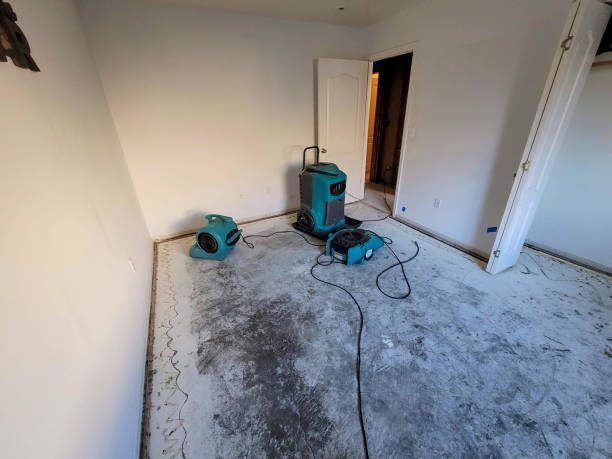
Brisbane’s humid climate demands sophisticated drying approaches. Professional restoration teams deploy industrial-strength dehumidifiers, high-velocity air movers, and heat drying systems that work together to create optimal drying conditions regardless of external weather.
| Equipment Type | Capacity | Primary Function | Typical Usage |
|---|---|---|---|
| Truck-Mount Extractor | 500-1000 CFM | Rapid water removal | Initial extraction phase |
| Industrial Dehumidifier | 150-300 pints/day | Atmospheric moisture control | Continuous drying |
| Air Mover | 2000-4000 CFM | Surface evaporation | Targeted material drying |
| Thermal Imaging Camera | -10°C to 650°C range | Hidden moisture detection | Assessment and monitoring |
Structural drying and dehumidification
Effective drying requires understanding psychrometrics – the science of air and moisture interaction. Professional restoration teams create controlled drying environments by manipulating temperature, humidity, and airflow to accelerate evaporation while preventing secondary damage.
The drying process typically requires 3-5 days for standard residential properties, though concrete slabs and thick timber frames may need extended drying periods. Professionals monitor progress using moisture meters and document daily readings to ensure materials reach acceptable moisture levels before reconstruction begins.
Monitoring and documentation
Big Red Gold Coast utilises digital monitoring systems that track drying progress in real-time. These systems alert technicians to equipment malfunctions, areas requiring additional attention, and optimal times for equipment repositioning to maximise efficiency.
Proper documentation includes daily moisture readings, equipment logs, and photographic progress reports. This comprehensive record-keeping ensures insurance compliance and provides homeowners with detailed restoration progress updates.
Sanitisation and antimicrobial treatment
Water damage often introduces harmful contaminants requiring professional sanitisation. Category 2 (grey water) and Category 3 (black water) damage demand intensive antimicrobial treatment to eliminate bacteria, viruses, and other pathogens.
Professional sanitisation involves EPA-registered disinfectants applied using electrostatic sprayers, foggers, and direct application methods. These treatments penetrate porous materials to eliminate contaminants that traditional cleaning cannot reach.
Mould prevention strategies
Brisbane’s subtropical climate creates ideal mould growth conditions, making prevention critical during restoration. Professional teams apply antimicrobial treatments to all affected surfaces and implement ongoing monitoring protocols to detect early mould development.
Preventive treatments include HEPA air filtration, controlled humidity maintenance, and application of mould inhibitors to susceptible materials. These measures significantly reduce the likelihood of post-restoration mould problems.
Content cleaning and restoration
Professional restoration extends beyond structural elements to include furniture, electronics, documents, and personal belongings. Specialised cleaning techniques can salvage items that homeowners might consider total losses.
Content restoration utilises ultrasonic cleaning, ozone treatment, freeze-drying, and specialised chemical processes depending on item composition and contamination level. Professional teams often achieve 70-80% content salvage rates compared to 20-30% for DIY attempts.
Electronics and document recovery
Modern restoration includes sophisticated electronics drying chambers and document freeze-drying facilities. These specialised services can recover water-damaged computers, photographs, and important documents that hold irreplaceable personal or business value.
Reconstruction and final restoration
The final restoration phase rebuilds damaged structural elements and decorative finishes to pre-loss condition. Professional contractors coordinate trades including carpentry, electrical, plumbing, and painting to ensure seamless restoration completion.
Quality restoration companies like Big Red Gold Coast provide detailed reconstruction timelines and maintain open communication throughout the rebuilding process. This coordination ensures minimal disruption and prevents delays that could extend displacement periods.
Final inspection and warranty
Professional restoration concludes with comprehensive final inspections using moisture meters, thermal imaging, and visual assessments to confirm complete drying and proper reconstruction. Reputable companies provide warranties covering their workmanship and guarantee moisture levels meet industry standards.
Common mistakes to avoid during water damage restoration
Many property owners inadvertently worsen water damage by attempting DIY restoration or delaying professional intervention. Understanding these pitfalls can prevent costly mistakes that compromise restoration success.
Delaying professional assessment is perhaps the most expensive mistake. Each hour of delay increases damage severity exponentially, as water continues spreading and mould begins developing within 24-48 hours of initial exposure.
Using inadequate equipment for drying leads to incomplete moisture removal and hidden water pockets that cause ongoing problems. Consumer-grade equipment lacks the power and precision necessary for thorough structural drying in Brisbane’s humid environment.
Ignoring hidden moisture in wall cavities, subfloors, and ceiling spaces creates long-term problems including mould growth, structural deterioration, and indoor air quality issues that may not become apparent for months or years.
Choosing professional water damage restoration services
Selecting qualified restoration professionals requires evaluating credentials, experience, and response capabilities. Look for companies with IICRC certification, comprehensive insurance coverage, and proven track records in Brisbane’s unique climate conditions.
Big Red Gold Coast combines decades of local experience with cutting-edge restoration technology to deliver superior results for Brisbane property owners. Our comprehensive approach ensures thorough restoration while minimising disruption to your daily life.
Emergency response capability remains crucial, as water damage severity increases dramatically with time. Choose restoration companies offering 24/7 emergency services with guaranteed response times under two hours for optimal damage limitation.
When water damage threatens your Brisbane property, don’t risk further damage by attempting DIY solutions or delaying professional intervention. Contact us today for immediate emergency response and comprehensive restoration services that will return your property to its pre-loss condition quickly and safely.
Frequently asked questions
How quickly should I call for water damage restoration in Brisbane?
You should call professional water damage restoration services immediately, ideally within the first hour of discovering water damage. The first 24-48 hours are critical for preventing mould growth and minimising structural damage. Delaying professional intervention can increase restoration costs exponentially and compromise your property’s structural integrity.
What's the difference between water damage categories?
Water damage is classified into three categories: Category 1 (clean water from pipes or rain), Category 2 (grey water from appliances or toilets), and Category 3 (black water from sewage or flooding). Each category requires different restoration approaches, with Category 3 demanding the most intensive sanitisation and safety protocols.
How long does professional water damage restoration take?
Restoration timelines vary based on damage extent, but typically range from 3-7 days for minor damage to 2-4 weeks for extensive flooding. Factors affecting duration include water category, affected square footage, materials involved, and Brisbane’s humid climate conditions. Professional teams provide detailed timelines after initial assessment.
Will my insurance cover professional water damage restoration?
Most homeowner’s insurance policies cover sudden and accidental water damage, but coverage varies by policy and damage cause. Professional restoration companies like Big Red Gold Coast work directly with insurance providers, handling documentation and claims processes to maximise your coverage benefits and minimise out-of-pocket expenses.
Can I stay in my home during water damage restoration?
Whether you can remain in your home depends on damage extent, affected areas, and safety considerations. Minor damage may allow partial occupancy, while extensive flooding typically requires temporary relocation. Professional teams assess habitability and coordinate with restoration schedules to minimise displacement time.